
 Ha Noi
  Ho Chi Minh
  Da Nang
  Ha Long Bay
  Ninh Binh
 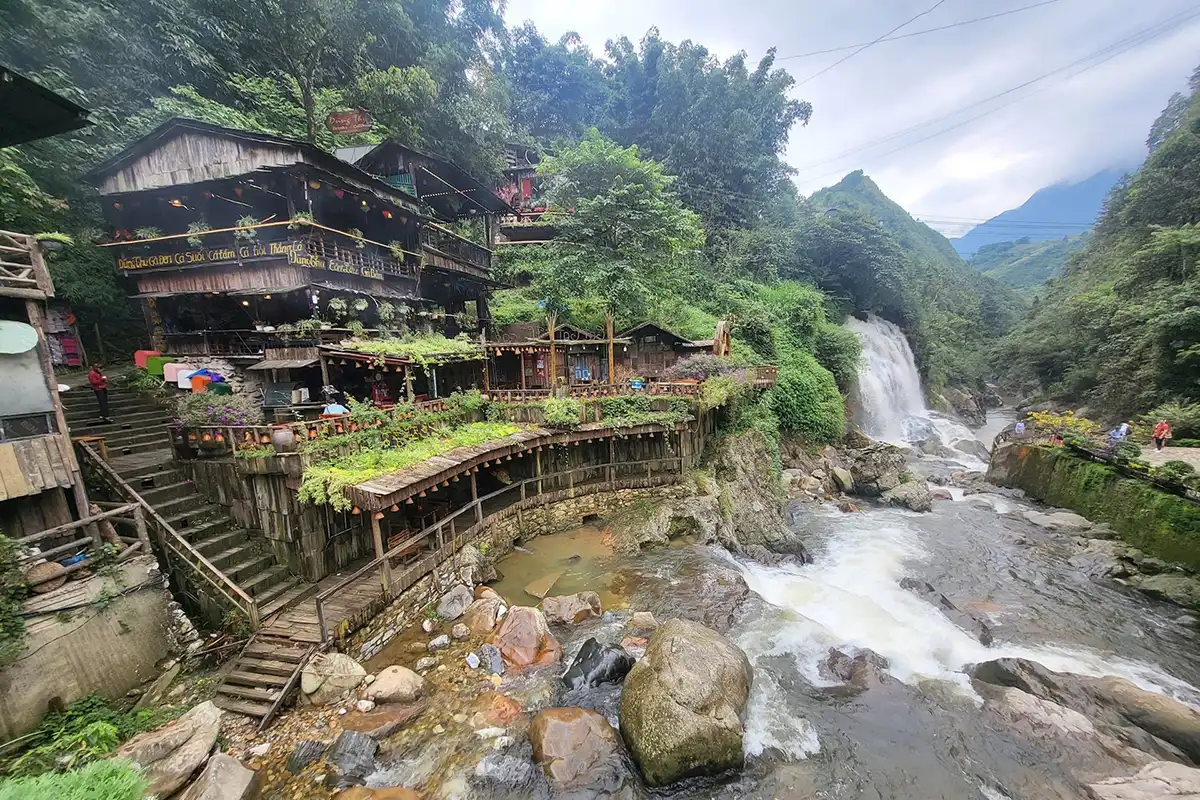 Sapa
Sapa  Siem Reap
  Phnom Penh
  Koh Rong Island
 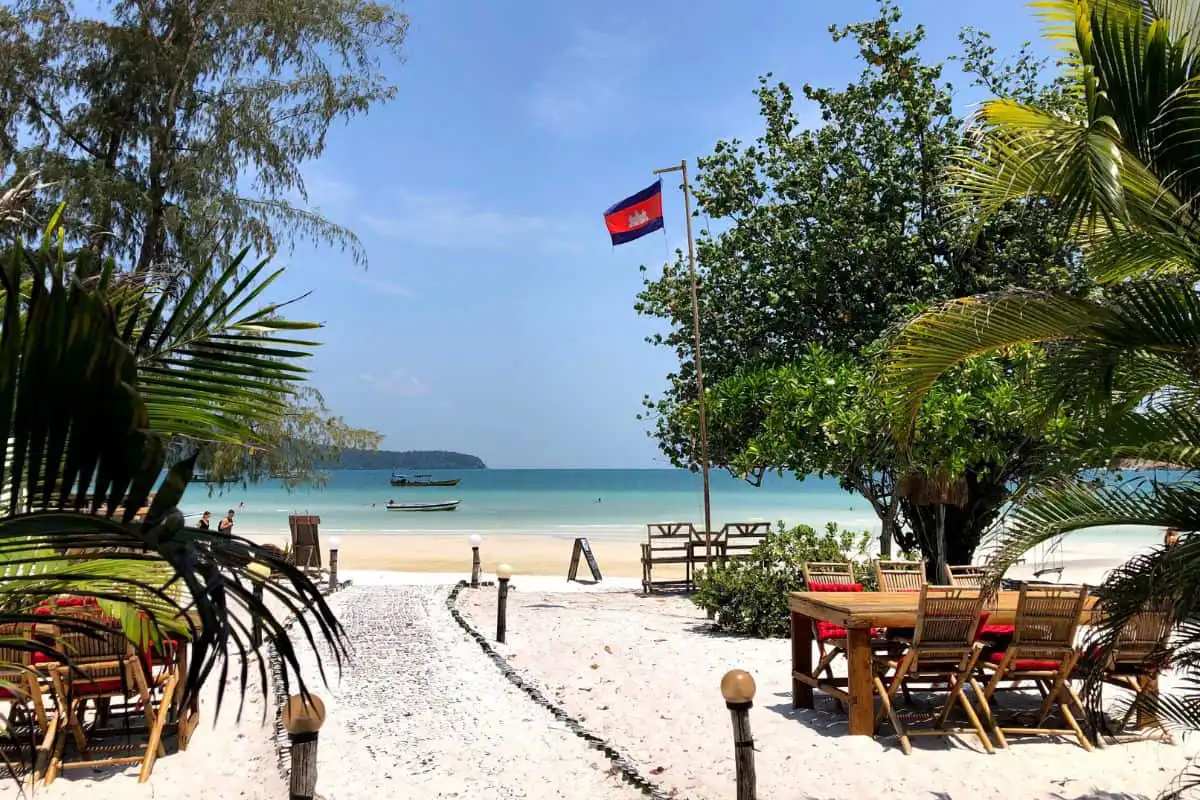 Sihanoukville
 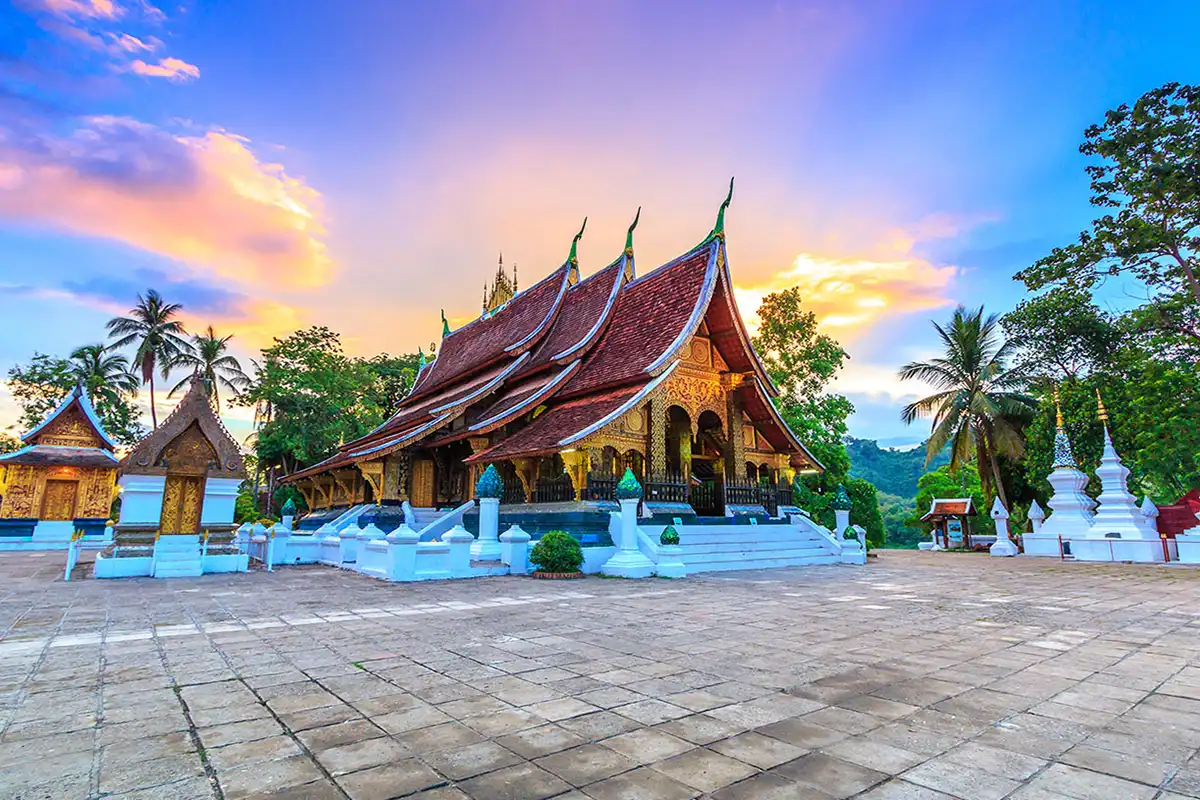 Luang Prabang
 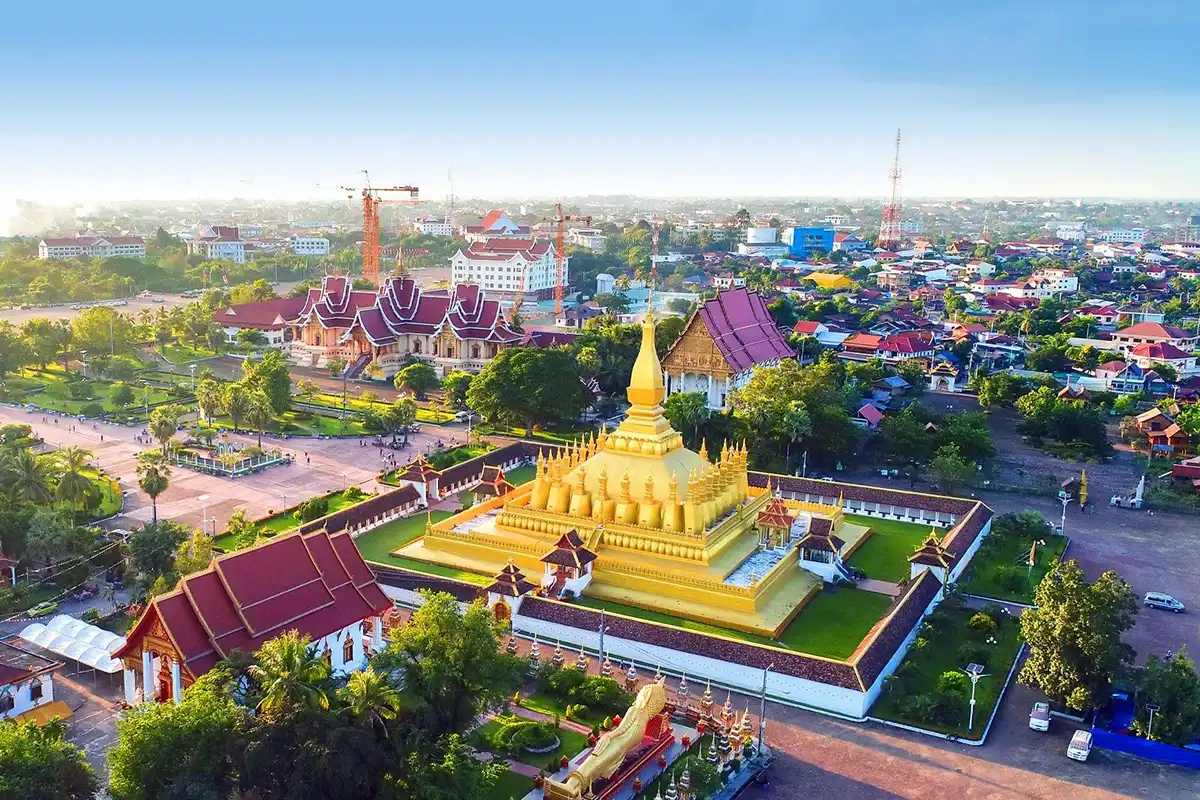 Vientiane
 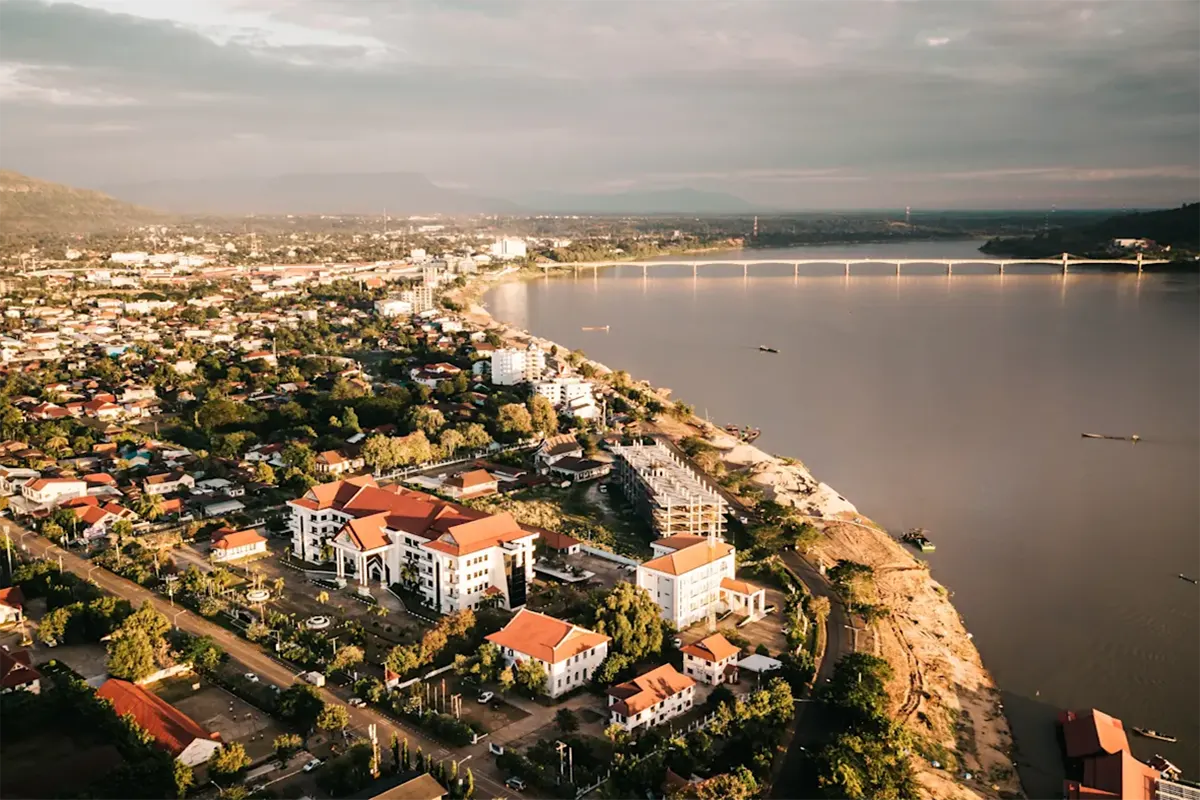 Pakse
Pakse 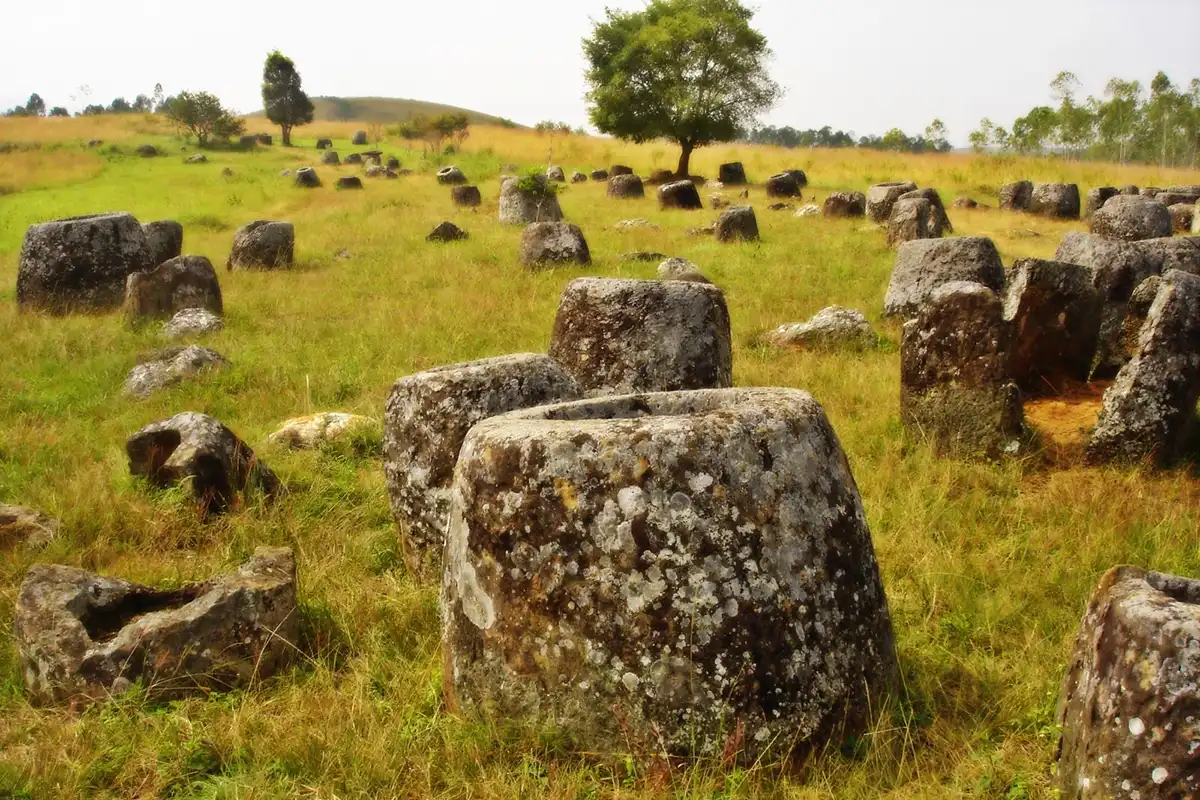 Xieng Khouang
  Savannakhet

 Private Tours
  Group Tours
  Multi-Day Tours
  Tailor-made Tours
  MICE Tours
  Dinner Cruise
  Day Cruise
  River Cruise
  Overnight Cruise
  Luxury Hotel
  Wellness & Spa Resort
  Heritage Resort
  Boutique Hotel
  Business & Convention Hotel
Need Help?
(+84) 917 506 881

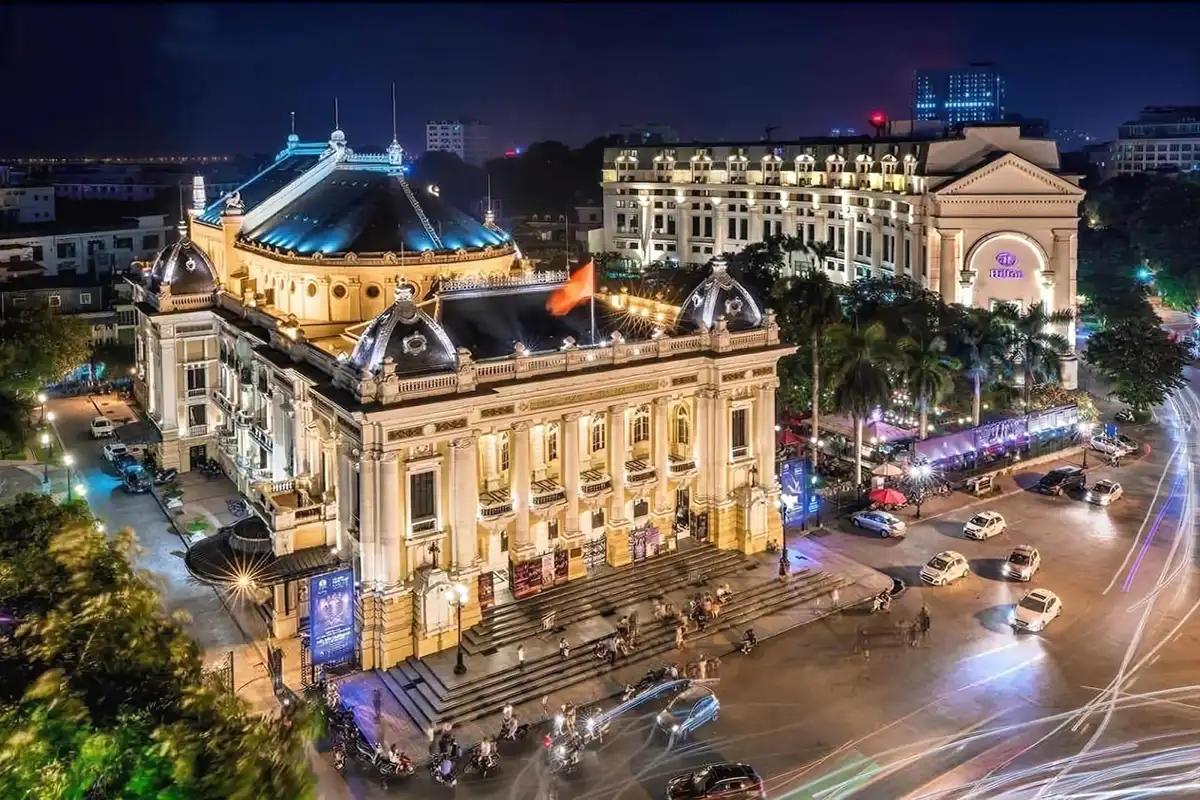
Located in the heart of Hanoi, the Hanoi Opera House (Nhà Hát Lớn Hà Nội) is one of the most remarkable examples of French colonial architecture in Southeast Asia. Built between 1901 and 1911, it was inspired by the Palais Garnier in Paris. Today, it serves as a venue for concerts, ballets, operas, and national events, making it both a historical monument and a vibrant cultural hub.
The Hanoi Opera House is located near the Hoan Kiem Lake and Trang Tien Plaza, easily accessible by foot from the Old Quarter. Its cream-yellow façade, ornate balconies, and grand columns make it a stunning sight by day and even more spectacular when illuminated at night. Inside, visitors can admire crystal chandeliers, Italian marble floors, and classic French interior design that evoke early 20th-century grandeur.
You can reach the Hanoi Opera House by walking from Hoan Kiem Lake (about 10 minutes) or taking a short taxi or Grab ride from anywhere in central Hanoi. Public buses No. 08, 31, and 36 also stop nearby.
*Tip: Combine your visit with a stop at the nearby Hilton Hanoi Opera Hotel or enjoy coffee at one of the charming cafés on Trang Tien Street. Arrive in the evening to take beautiful photos when the building lights up.
Construction of the Hanoi Opera House began in 1901 under French colonial rule and was completed in 1911. It was originally designed to host performances for French officials and wealthy Vietnamese. The building’s design reflects a blend of classical European styles with subtle local adaptations to suit the tropical climate.
After Vietnam’s independence, the Opera House became a key site for cultural and political events, including the first National Assembly meeting in 1946. Today, it remains one of Vietnam’s top performing arts venues, hosting both traditional and international shows, symbolizing the city’s artistic spirit and historical resilience.