
 Ha Noi
  Ho Chi Minh
  Da Nang
  Ha Long Bay
  Ninh Binh
  Sapa
Sapa  Siem Reap
  Phnom Penh
  Koh Rong Island
  Sihanoukville
  Luang Prabang
  Vientiane
  Pakse
Pakse  Xieng Khouang
  Savannakhet

 Private Tours
  Group Tours
  Multi-Day Tours
  Tailor-made Tours
  MICE Tours
  Dinner Cruise
  Day Cruise
  River Cruise
  Overnight Cruise
  Luxury Hotel
 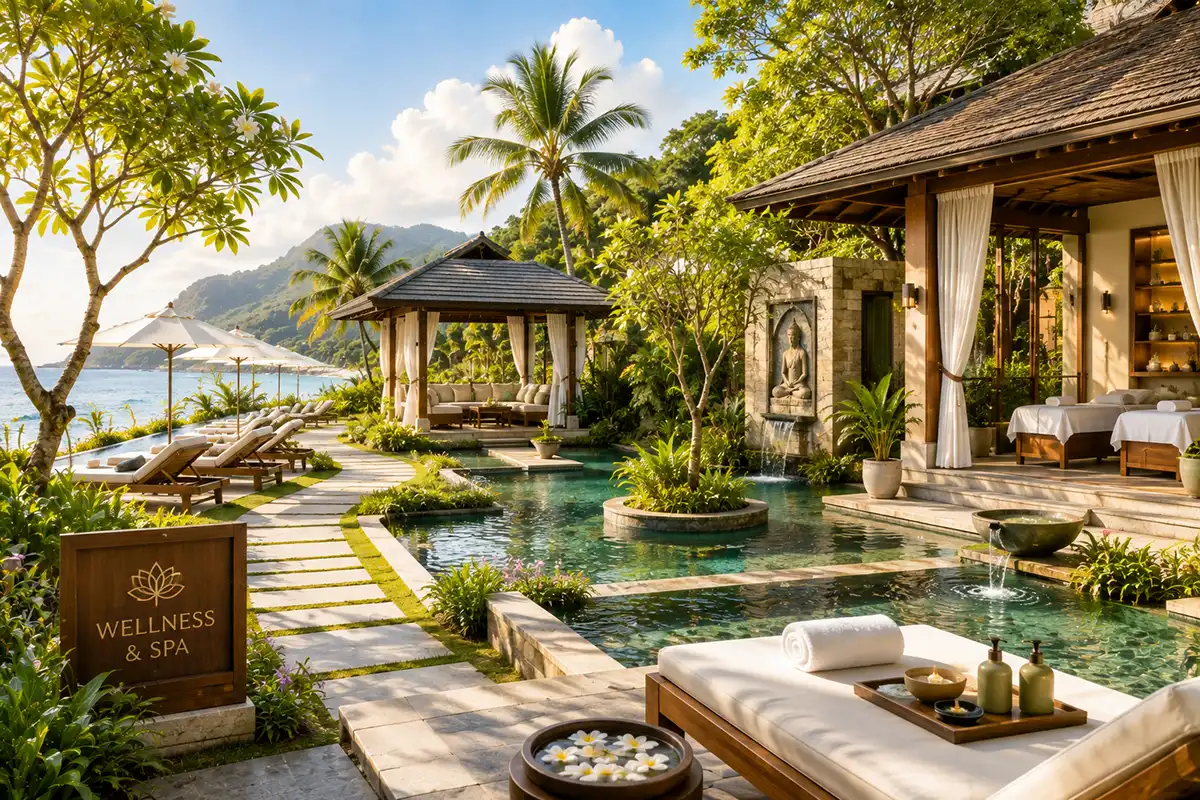 Wellness & Spa Resort
 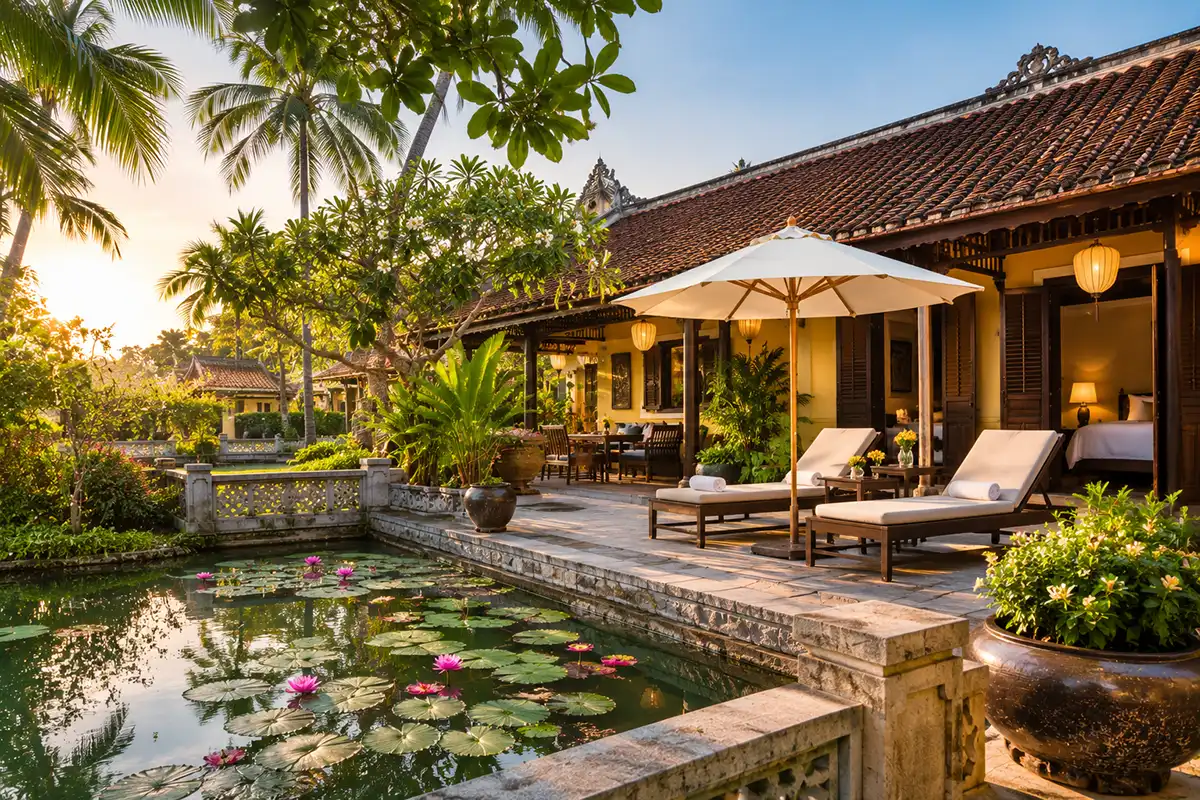 Heritage Resort
 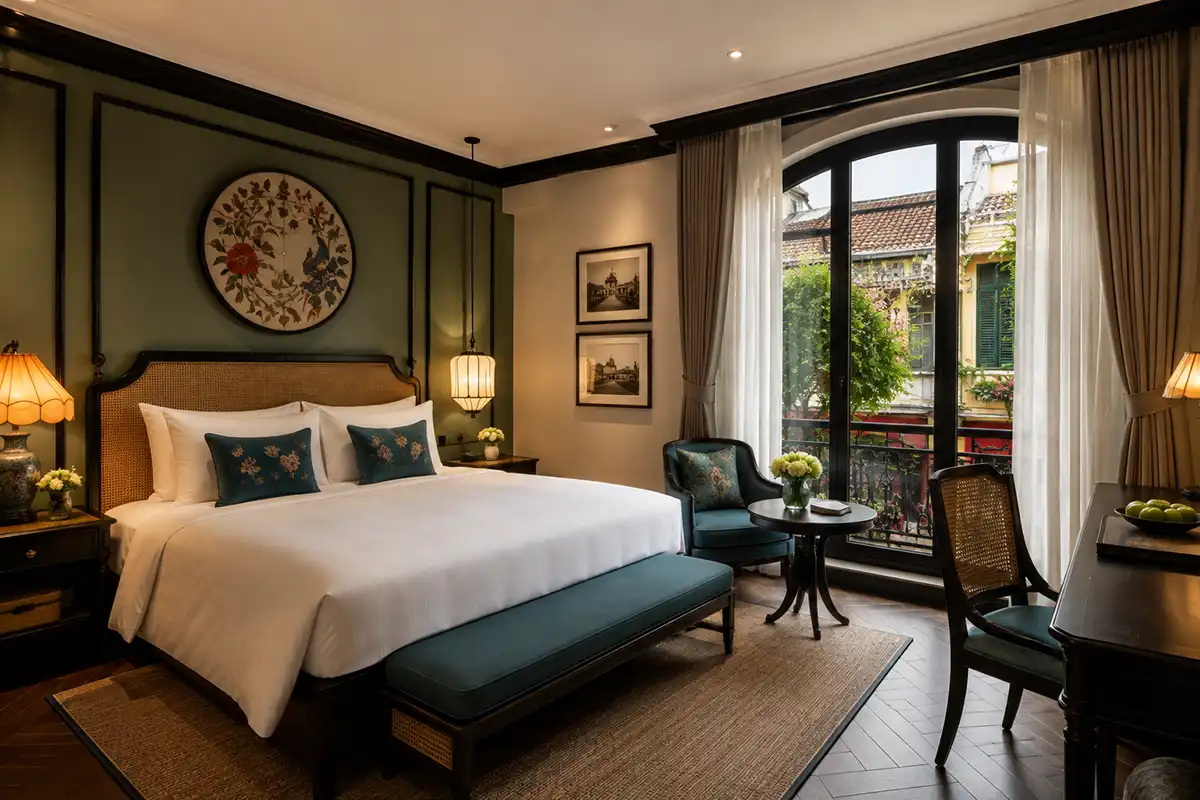 Boutique Hotel
  Business & Convention Hotel
Need Help?
(+84) 917 506 881

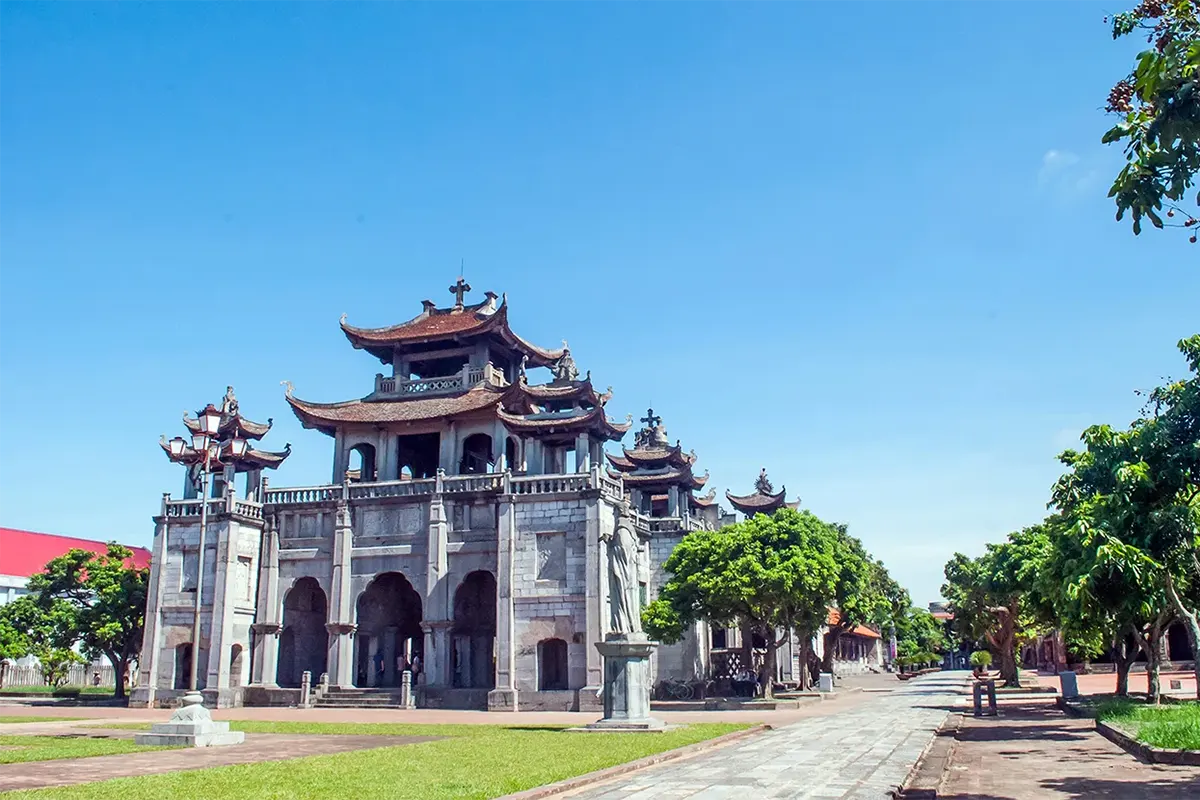
Phat Diem Stone Church (also known as Phat Diem Cathedral) is one of Vietnam’s most extraordinary religious and architectural landmarks. Built between 1875 and 1899 by Father Tran Luc (popularly known as Father Sau), this complex is a perfect fusion of Gothic style and traditional Vietnamese pagoda design, making it unlike any other church in the world.
The church lies about 28 km southeast of Ninh Binh City and can be easily reached by motorbike, car, or bus. It’s a popular stop for visitors exploring southern Ninh Binh, along with Kim Son Cathedral and the coastal area near the Day River.
Unlike most Western cathedrals built from brick or marble, Phat Diem is constructed mainly from limestone and ironwood. The church complex covers around 22 hectares and includes a grand cathedral, smaller chapels, bell towers, and a scenic pond. Its architectural harmony reflects both the artistry of traditional Vietnamese temples and the solemn grandeur of European churches.
The construction of Phat Diem Stone Church took nearly 30 years under the guidance of Father Tran Luc (Cu Sau), a visionary leader who wanted to create a church that harmonized Vietnamese culture and Catholic faith. The result is a structure that embodies both East and West — symbolizing unity, respect, and the blending of spiritual traditions.
From Ninh Binh City, travelers can take a 40-minute drive along National Highway 10 toward Kim Son District. Local buses and taxis are available, or you can join a day tour that includes Phat Diem Cathedral, Tam Coc, and Trang An. For a scenic experience, renting a motorbike offers the freedom to explore rural landscapes and local villages along the way.
Phat Diem can be visited year-round, but the most special time is during Christmas Eve (December 24), when the church is lit up with thousands of colorful lights and hosts one of the largest Christmas celebrations in northern Vietnam. For photography, mornings and late afternoons offer the best natural light.
Phat Diem Stone Church stands as a testament to creativity, faith, and cultural harmony — a sacred space where Vietnamese artistry meets European elegance. It’s not just a religious site, but also a symbol of Vietnam’s architectural ingenuity and spiritual depth.