
 Ha Noi
  Ho Chi Minh
  Da Nang
  Ha Long Bay
  Ninh Binh
  Sapa
Sapa  Siem Reap
  Phnom Penh
  Koh Rong Island
  Sihanoukville
 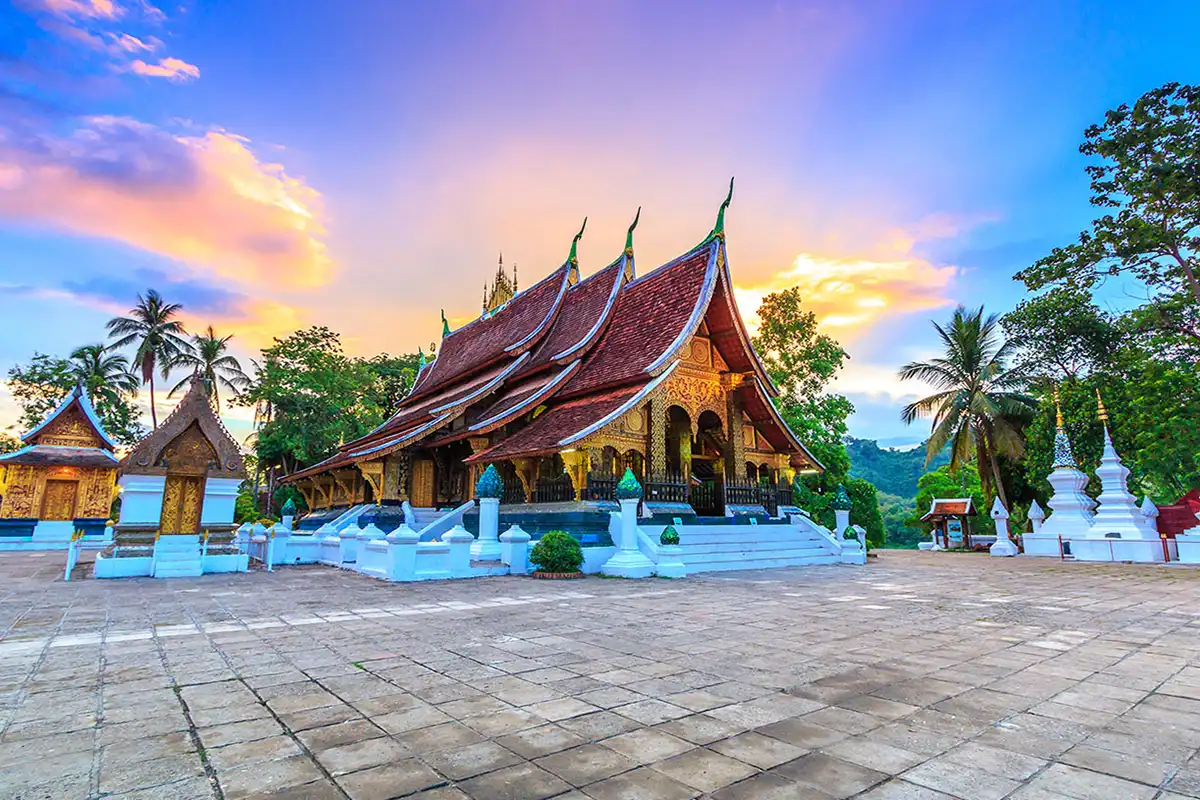 Luang Prabang
 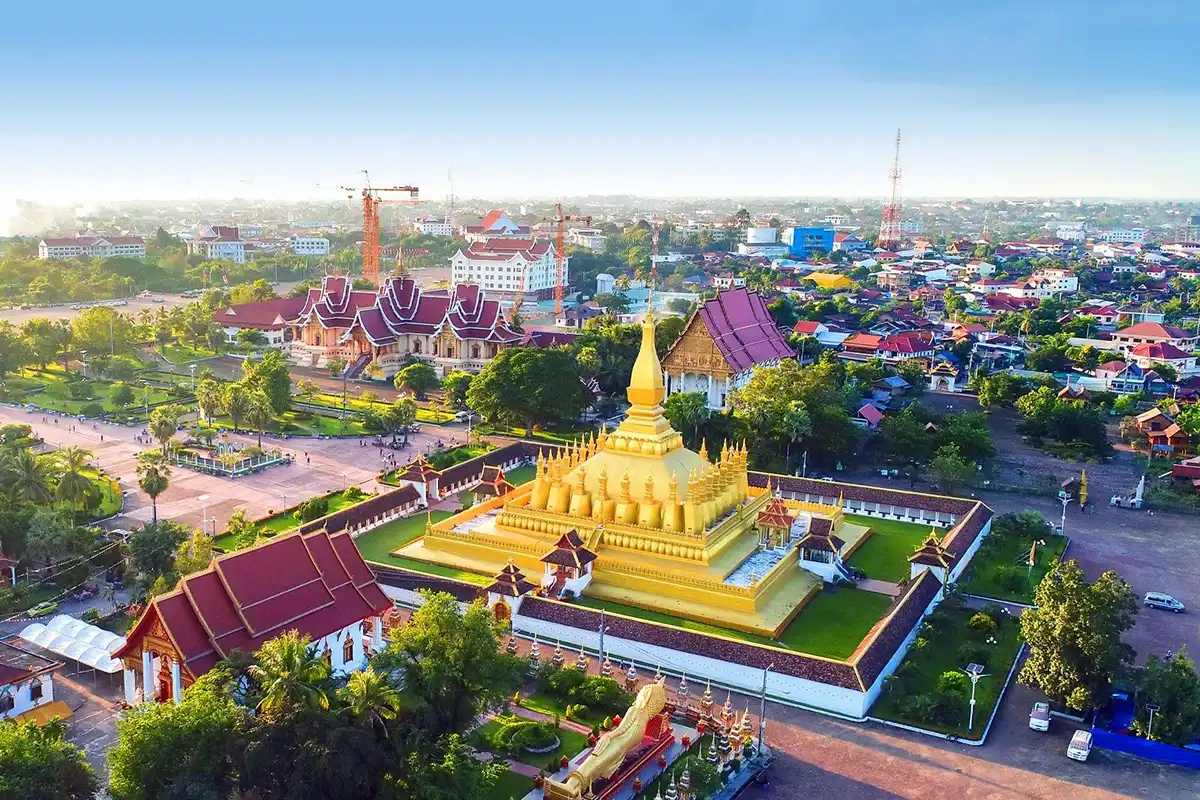 Vientiane
  Pakse
Pakse 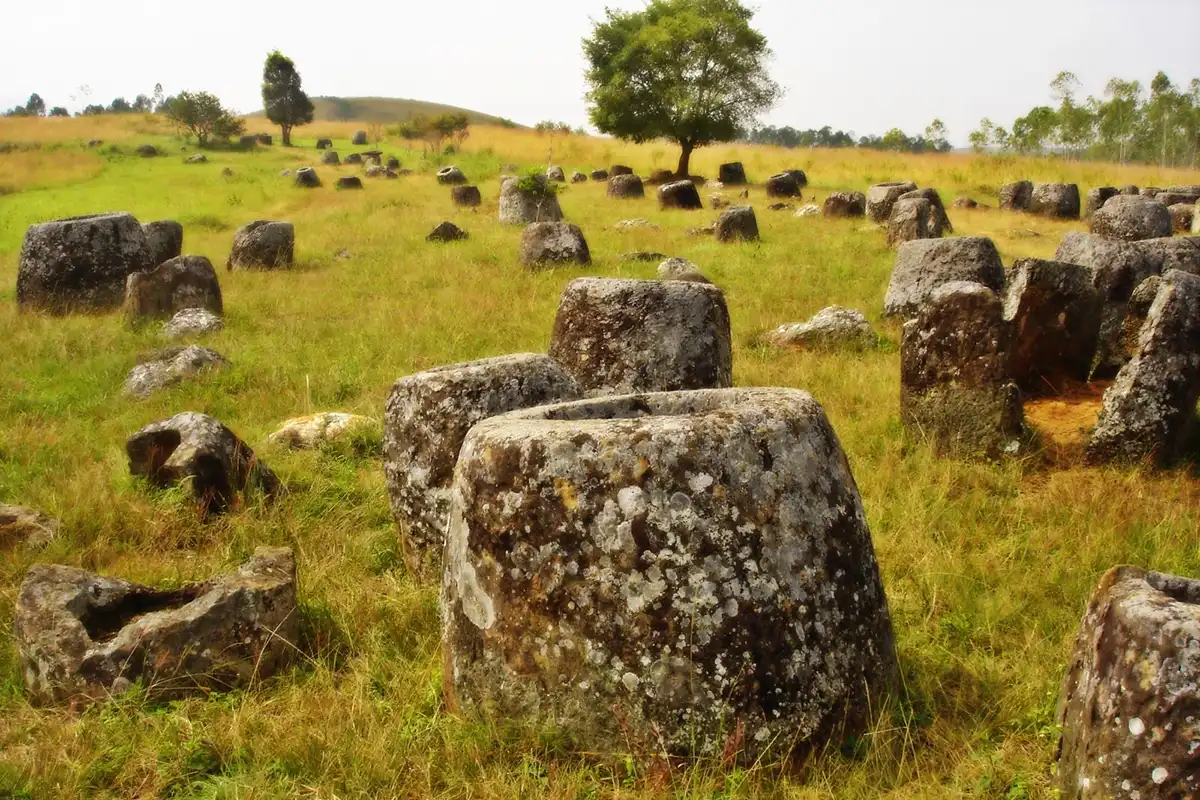 Xieng Khouang
  Savannakhet

 Private Tours
  Group Tours
  Multi-Day Tours
  Tailor-made Tours
  MICE Tours
  Dinner Cruise
  Day Cruise
  River Cruise
  Overnight Cruise
 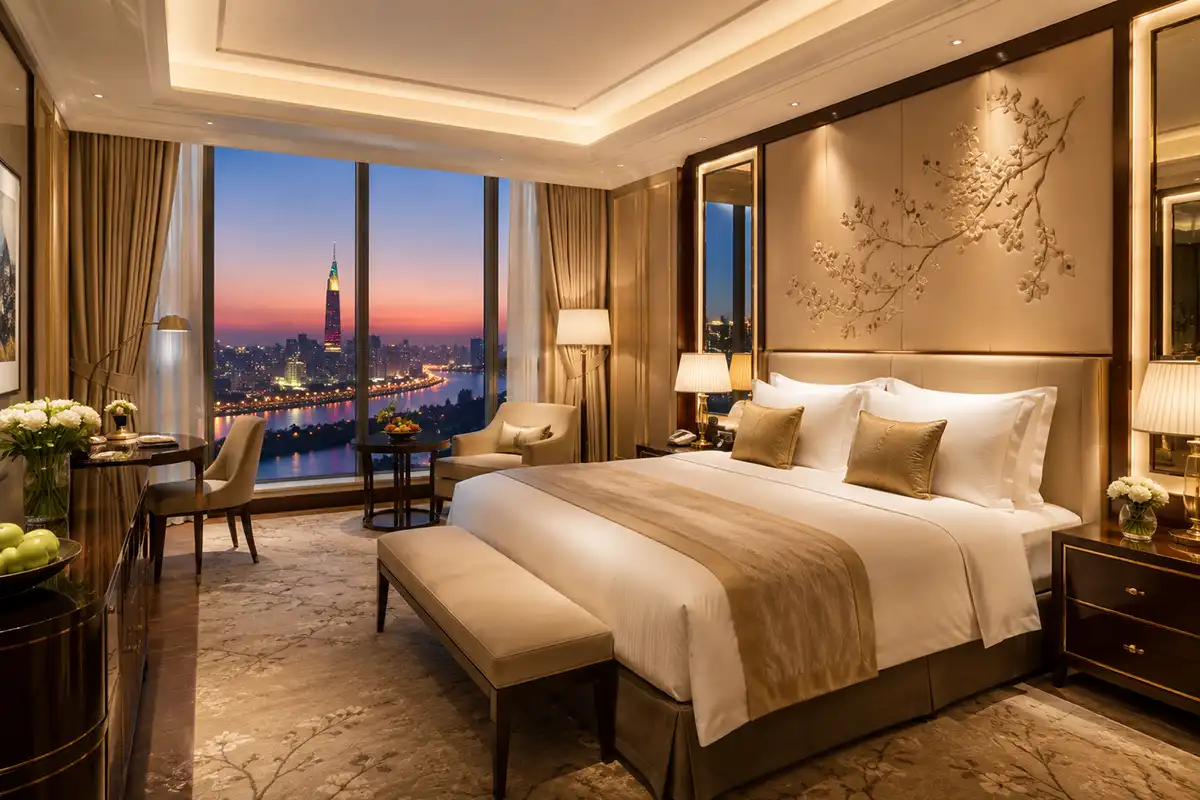 Luxury Hotel
  Wellness & Spa Resort
 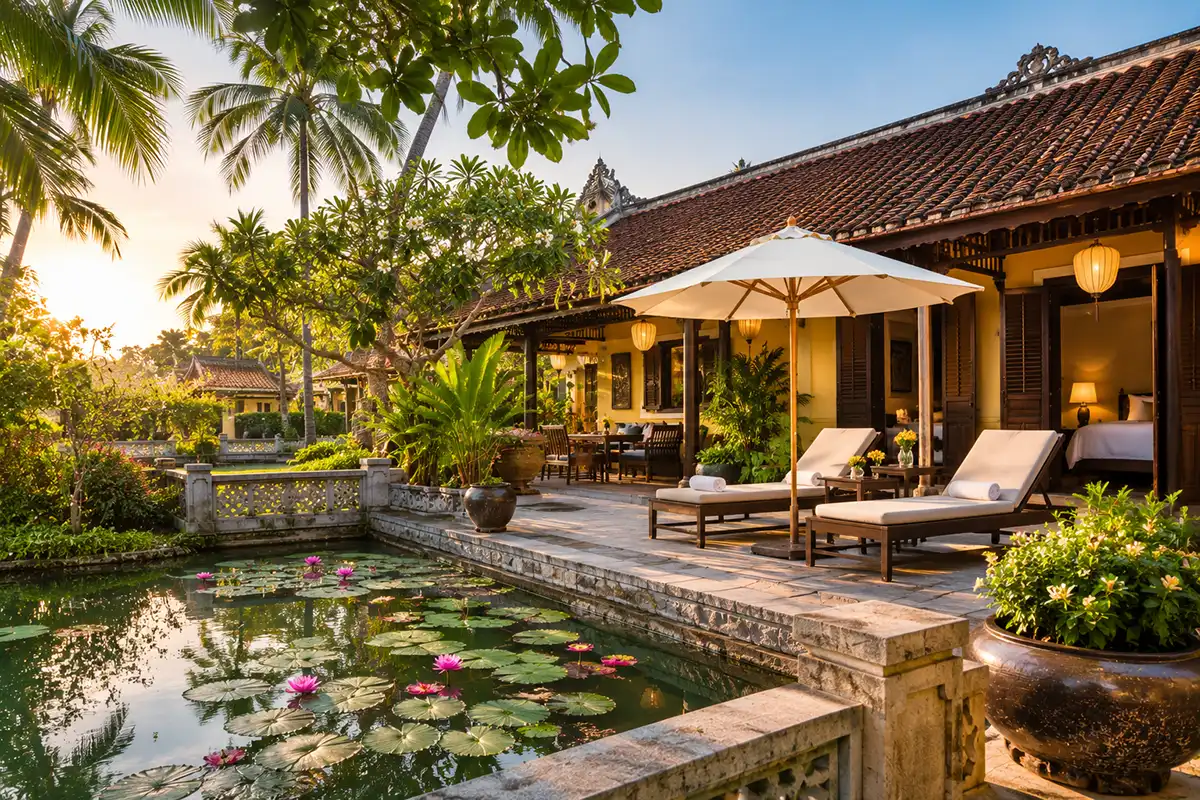 Heritage Resort
 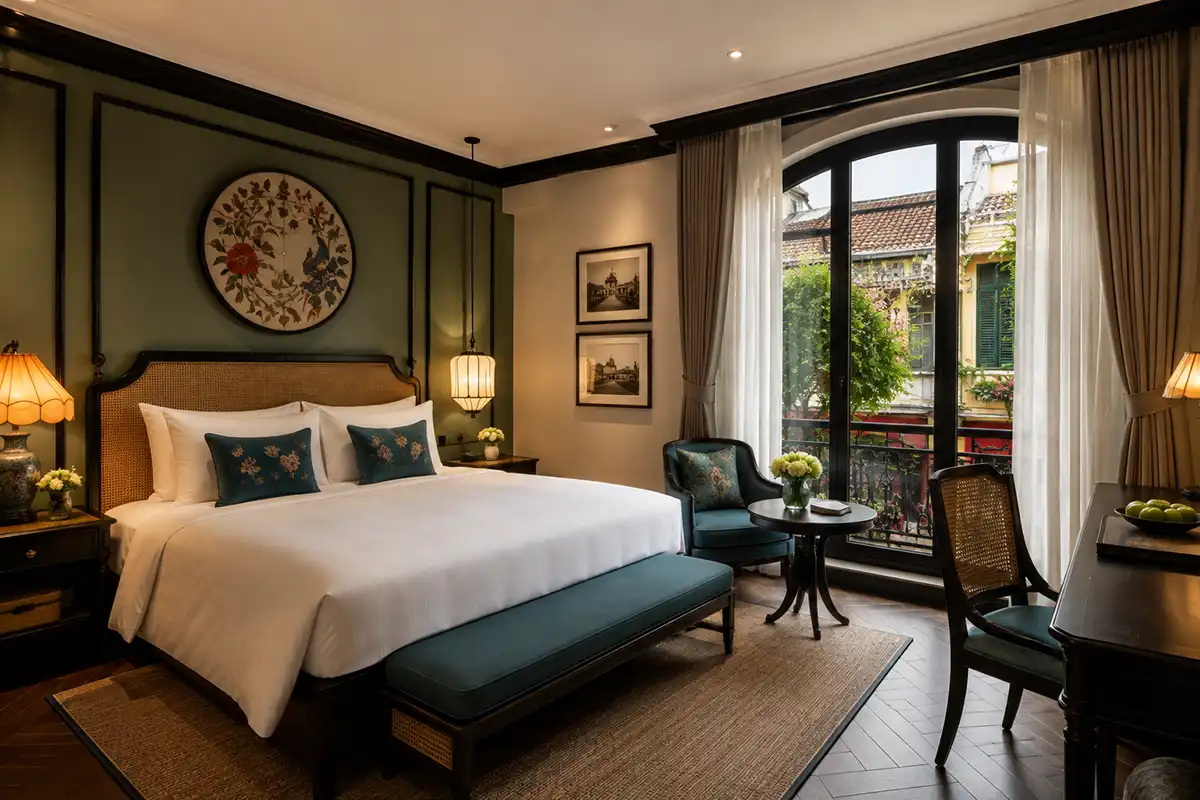 Boutique Hotel
 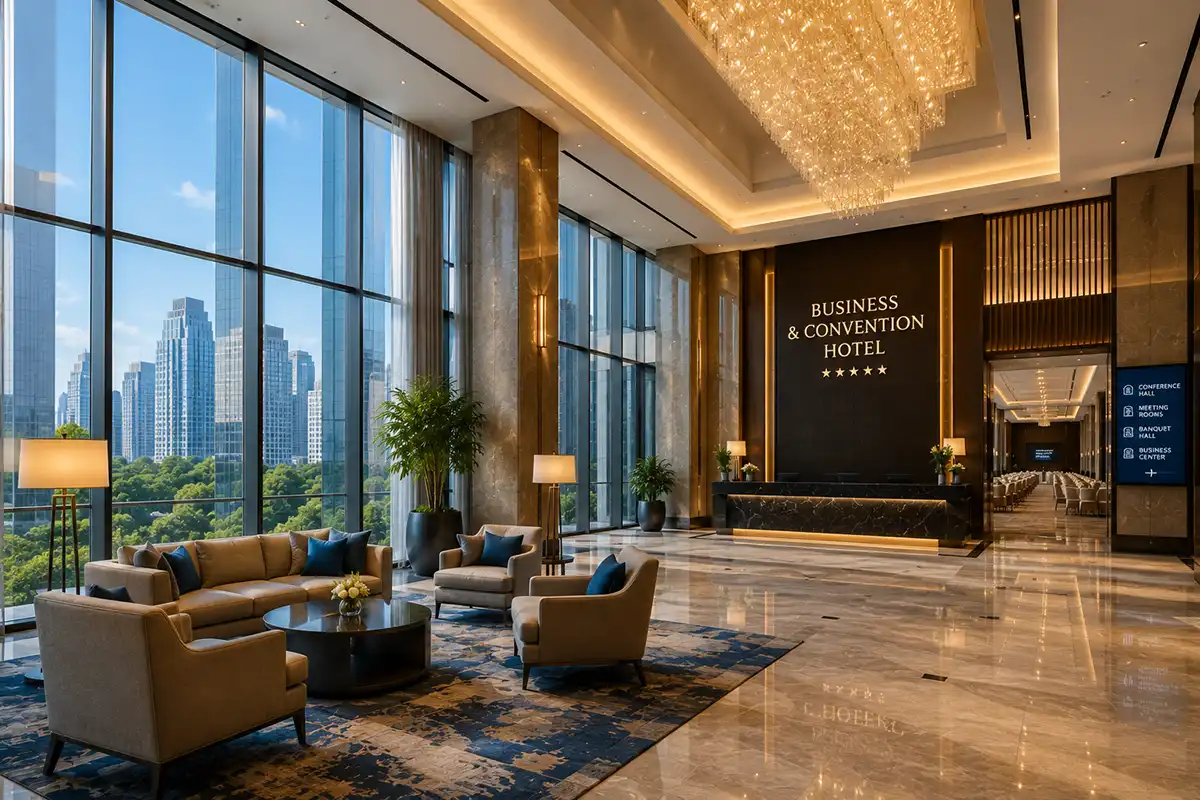 Business & Convention Hotel
Need Help?
(+84) 917 506 881

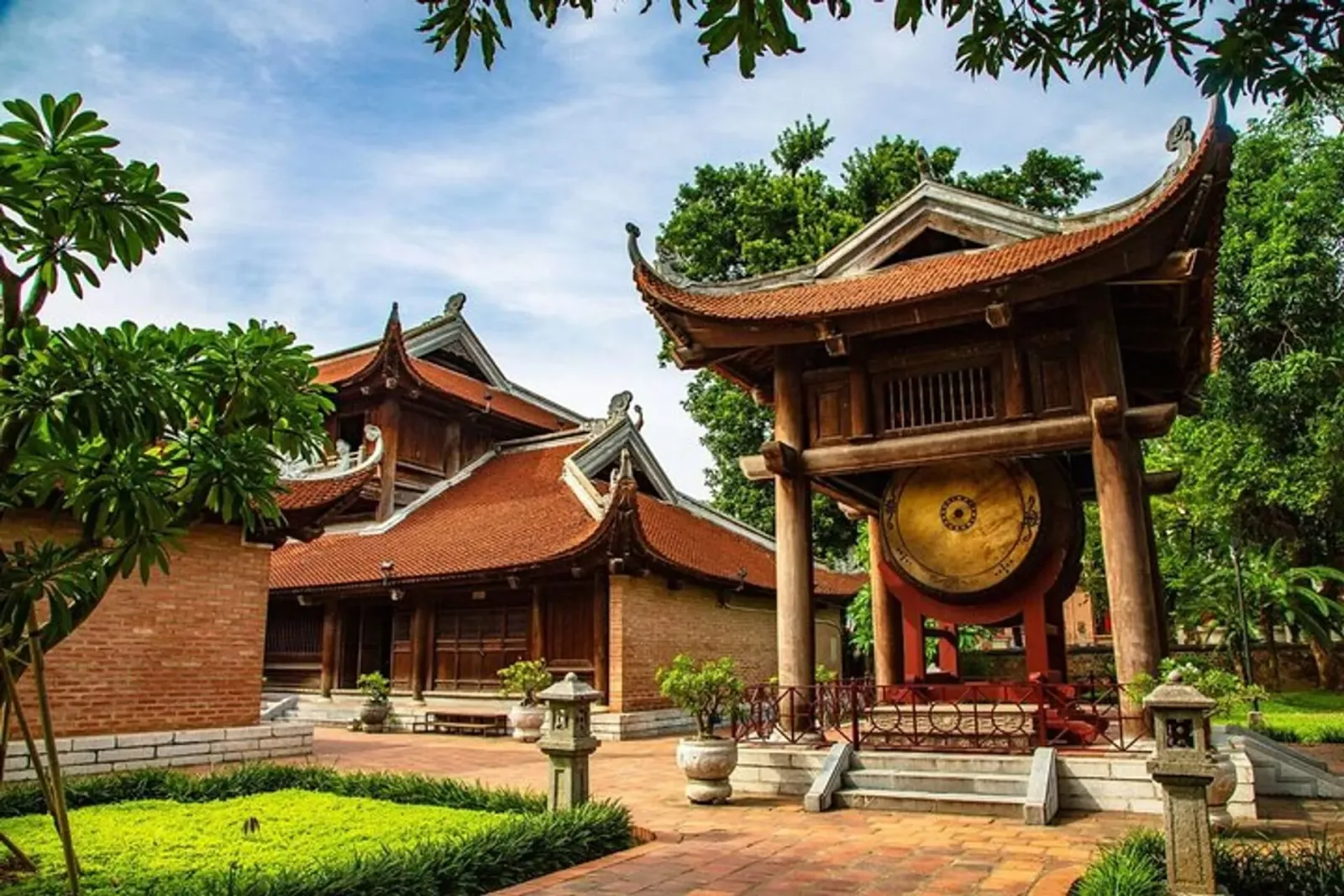
The Temple of Literature is not just a historical site — it’s a symbol of Vietnam’s deep respect for education and intellectual achievement. Built in 1070 during the reign of Emperor Ly Thanh Tong, it served as a Confucian temple before becoming the Imperial Academy, Vietnam’s first national university. The complex features ancient courtyards, altars, and traditional Vietnamese architecture surrounded by peaceful gardens and ponds, creating an atmosphere of timeless serenity in the heart of Hanoi.
Situated just 2 kilometers west of Hoan Kiem Lake, the Temple of Literature is easily accessible by taxi, motorbike, or even a short walk from central Hanoi. Its entrance gate, with the traditional three-door structure and intricate carvings, immediately welcomes visitors into a world of ancient charm and scholarly spirit. The temple’s spacious courtyards are adorned with bonsai trees, stone steles, and ancient pavilions, perfect for quiet reflection and exploration.
The Temple of Literature can be reached by bus routes No. 02, 23, or 38, all of which stop nearby. Taxis and Grab rides are also convenient and affordable options. If you’re exploring on foot, the site is only a 20-minute walk from the Old Quarter.
*Tip: Visit early in the morning or late in the afternoon to avoid crowds and enjoy the tranquil atmosphere — it’s also the best time for photos with soft natural lighting.
Built in 1070 under Emperor Ly Thanh Tong, the Temple of Literature was originally dedicated to Confucius, his disciples, and revered scholars. In 1076, Emperor Ly Nhan Tong founded the Imperial Academy (Quốc Tử Giám) — the first national university of Vietnam — within the same complex. For centuries, it educated royal family members and elite students who excelled in the imperial examinations.
The temple complex features five courtyards, each representing different aspects of learning and reverence. The third courtyard is especially notable for housing 82 stone steles inscribed with the names of doctoral laureates from 1442 to 1779, recognized by UNESCO as part of the “Memory of the World” heritage.
Today, the Temple of Literature remains a cultural and educational symbol. Many students visit to pray for good luck before exams, and the temple often hosts cultural events, calligraphy exhibitions, and traditional music performances during the Lunar New Year.
Visiting the Temple of Literature offers a deep insight into Vietnam’s Confucian values and its historical dedication to learning and culture. Whether you’re a history lover, a photographer, or simply a traveler seeking peace, this site offers both cultural enrichment and a tranquil escape from Hanoi’s lively streets.