
 Ha Noi
 Ho Chi Minh
 Da Nang
 Ha Long Bay
 Ninh Binh
 Sapa
 Siem Reap
 Phnom Penh
 Koh Rong Island
 Sihanoukville
 Luang Prabang
 Vientiane
 Pakse
 Xieng Khouang
 Savannakhet


 Private Tours
 Group Tours
 Multi-Day Tours
 Tailor-made Tours
 MICE Tours
 Dinner Cruise
 Day Cruise
 River Cruise
 Overnight Cruise
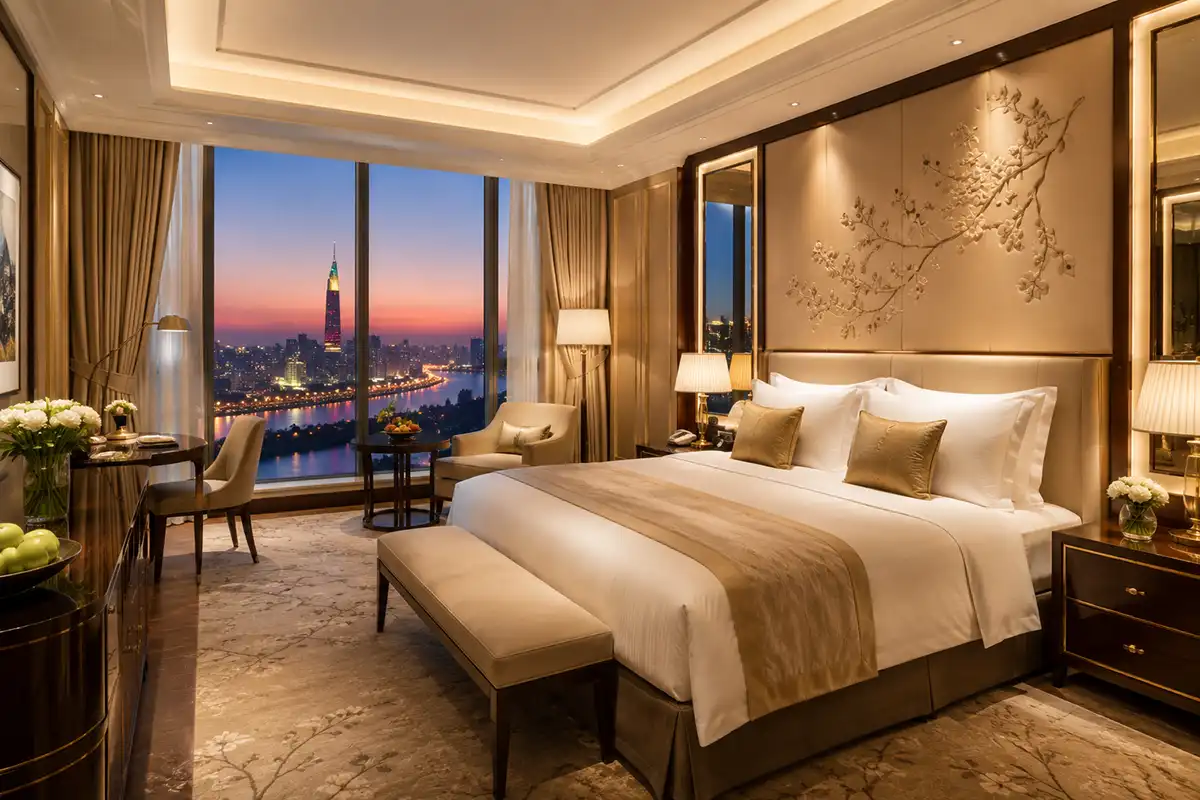 Luxury Hotel
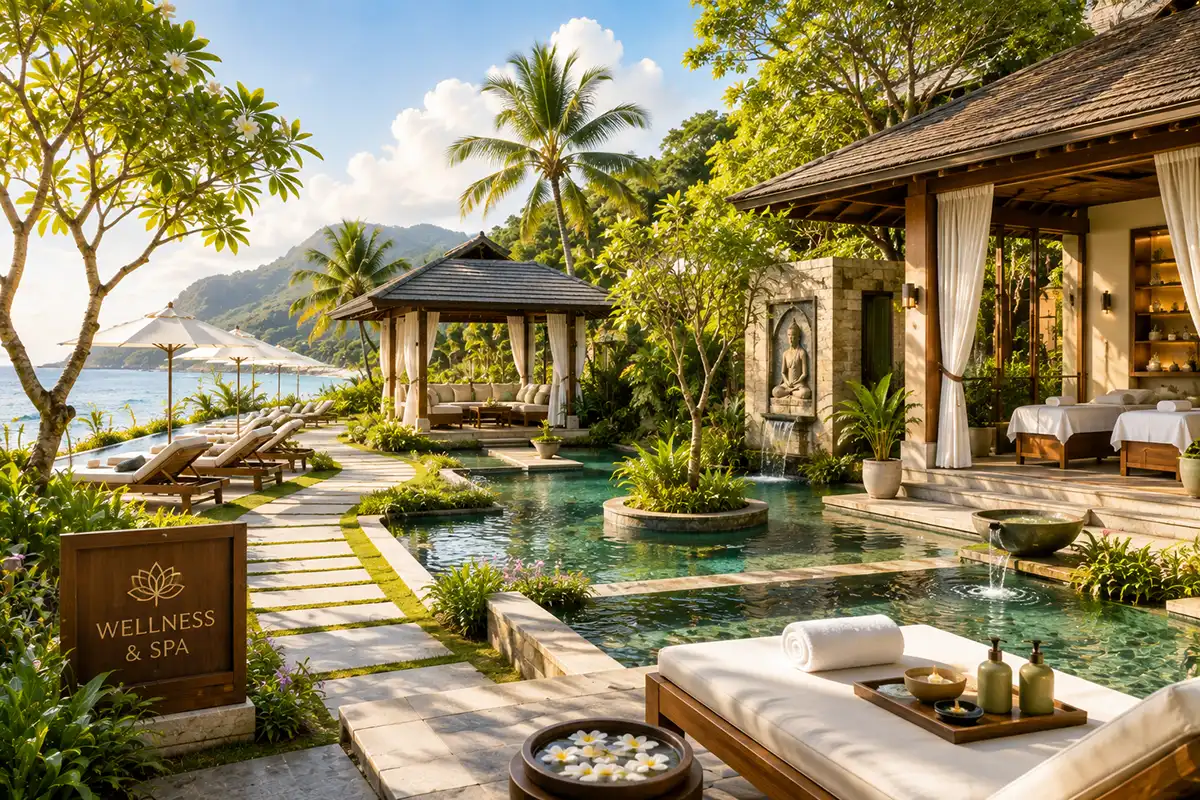 Wellness & Spa Resort
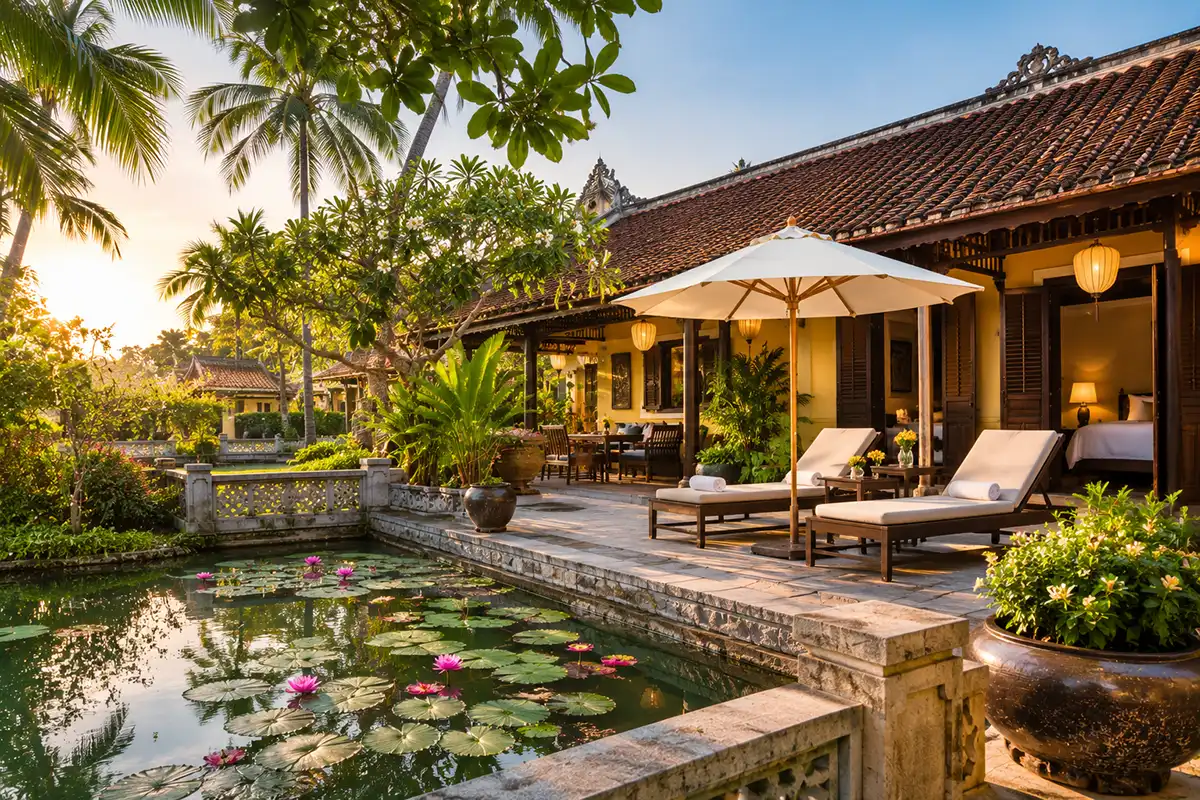 Heritage Resort
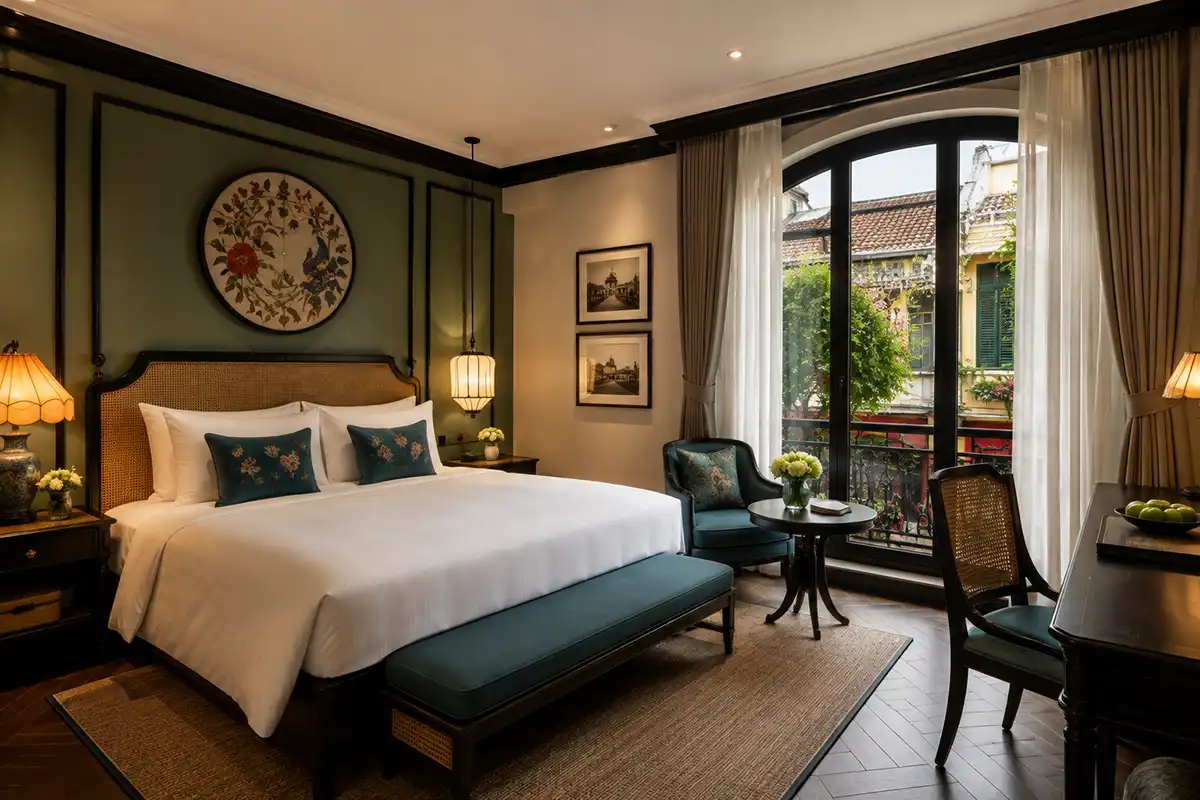 Boutique Hotel
 Business & Convention Hotel
Need Help?
(+84) 917 506 881

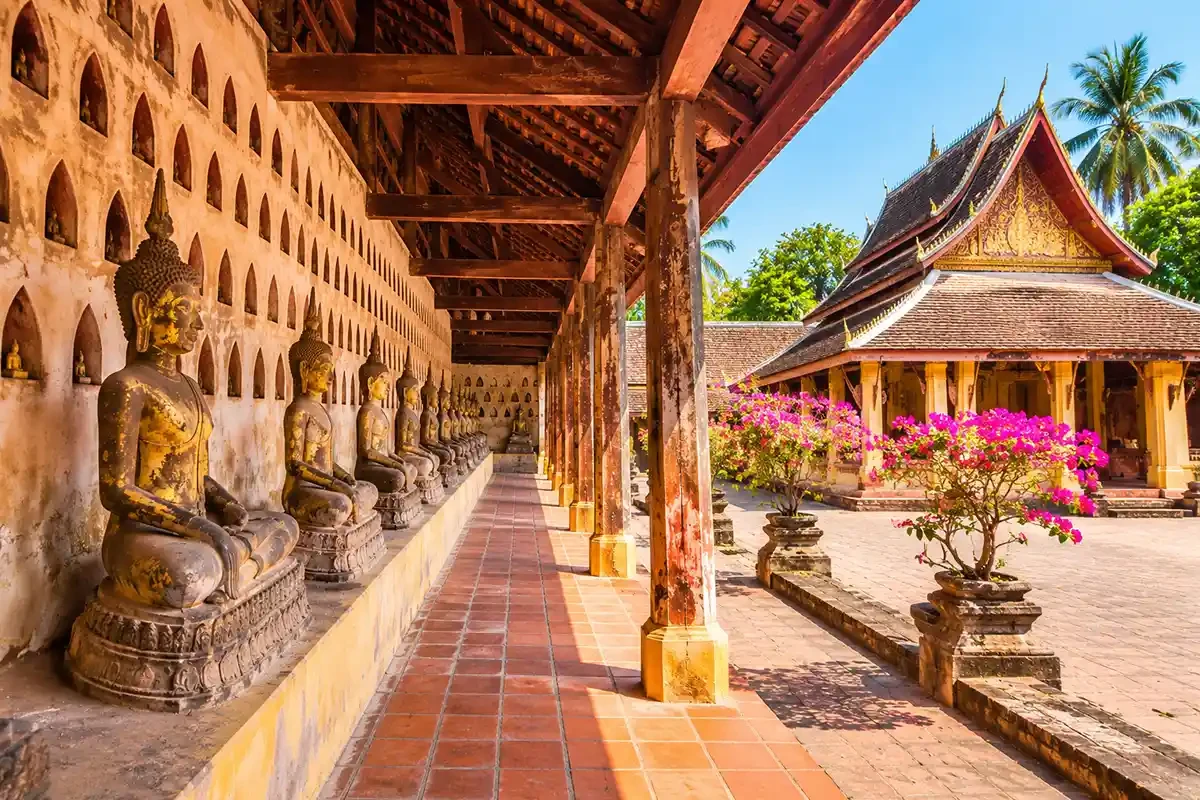
Wat Sisaket is one of the most important historical and religious attractions in Vientiane. Known for its distinctive architectural style and extensive collection of Buddha statues, the temple offers visitors an excellent opportunity to explore the Buddhist traditions and artistic heritage of Laos. Its peaceful courtyard and beautifully preserved structures make it an essential stop on a cultural city tour.
One of the most fascinating features of Wat Sisaket is its surrounding cloister, which contains thousands of small Buddha images arranged in carefully designed wall niches. These statues vary in size, material and artistic style, creating an extraordinary collection that reflects centuries of Buddhist devotion.
The main ordination hall features traditional Siamese-influenced architecture, decorative columns and historic religious artwork. Visitors can also explore the peaceful courtyard, smaller shrines and surrounding galleries.
Wat Sisaket is conveniently located in central Vientiane, directly opposite Haw Phra Kaew. Visitors can easily reach the temple on foot from several nearby landmarks or by taxi and tuk-tuk from other parts of the city.
Visiting both temples together is recommended for travelers interested in the religious and architectural history of Laos.
Wat Sisaket was built in 1818 during the reign of King Anouvong. It is particularly significant because it survived the destruction of Vientiane during the Siamese invasion of 1828, preserving much of its original architectural character.
Today, the temple remains one of the capital's most valuable historical landmarks. Its remarkable Buddha collection, traditional architecture and spiritual atmosphere provide a memorable insight into the Buddhist heritage of Laos.